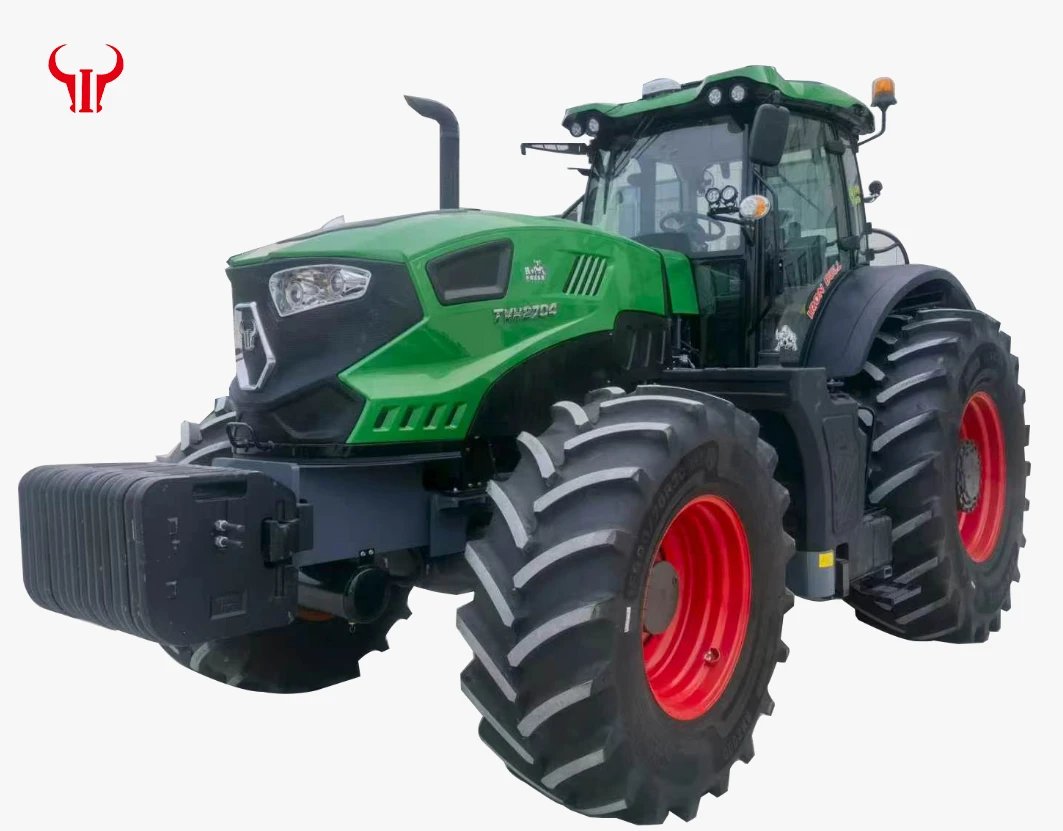
Common Farm Tractor Problems and How to Prevent Them
A farm tractor is one of the most important machines on a farm. It may be used for plowing, tilling, planting, mowing, spraying, transporting, loading, and operating PTO-driven implements.
Because tractors often work for long hours under dust, mud, vibration, heavy loads, and changing weather conditions, mechanical problems can gradually develop if maintenance is neglected.
Some tractor problems are caused by normal wear, while others result from incorrect operation, poor maintenance, contaminated fluids, overloaded implements, or delayed component replacement.
Understanding the most common farm tractor problems and knowing how to prevent them can help farmers reduce downtime, control repair costs, and extend tractor service life.
Why Preventive Tractor Maintenance Matters
Agricultural machinery failures rarely occur at a convenient time.
A tractor that breaks down during planting, tillage, or harvest can delay field work and create significant operating losses.
Preventive maintenance helps reduce the risk of unexpected failures by identifying problems before they become serious.
Regular maintenance can help:
-
Reduce unexpected breakdowns
-
Extend engine life
-
Protect the transmission
-
Improve hydraulic performance
-
Reduce fuel consumption
-
Maintain PTO reliability
-
Improve tractor safety
-
Reduce long-term repair costs
-
Improve resale value
For commercial farms and agricultural contractors, preventive maintenance is especially important because tractors may operate hundreds or thousands of hours each year.
1. Tractor Engine Is Difficult to StartOne of the most common farm tractor problems is difficulty starting the engine.
A tractor may crank slowly, start only after several attempts, or fail to start completely.
Common Causes
Possible causes include:
-
Weak or discharged battery
-
Corroded battery terminals
-
Poor electrical connections
-
Contaminated diesel fuel
-
Blocked fuel filter
-
Air entering the fuel system
-
Faulty starter motor
-
Low engine compression
-
Cold weather
-
Fuel injection problems
Diesel tractors require proper fuel delivery, compression, and electrical power to start reliably.
How to Prevent Starting Problems
Regularly:
-
Check battery voltage
-
Clean battery terminals
-
Inspect starter cables
-
Replace fuel filters according to schedule
-
Drain water from the fuel separator
-
Use clean diesel fuel
-
Keep the fuel tank reasonably full during storage
-
Check glow plugs or intake heaters where equipped
If a tractor becomes increasingly difficult to start, investigate the cause early rather than continuing to operate it until complete failure occurs.
2. Tractor Engine OverheatingEngine overheating is a serious problem that can damage the cylinder head, gasket, pistons, seals, and other engine components.
Agricultural tractors are especially vulnerable because they often operate under heavy loads in hot, dusty environments.
Common Causes of Tractor Overheating
Typical causes include:
-
Low coolant level
-
Blocked radiator
-
Damaged cooling fan
-
Loose or broken fan belt
-
Faulty thermostat
-
Water pump failure
-
Dirty coolant
-
Excessive engine load
-
Blocked air passages
-
Oil level problems
Grass, dust, crop residue, and seeds can quickly accumulate around the radiator during field operation.
How to Prevent Overheating
Operators should:
-
Check coolant before operation
-
Clean radiator fins regularly
-
Inspect hoses for leaks
-
Check the fan belt
-
Maintain correct engine oil level
-
Replace coolant at recommended intervals
-
Avoid continuous overload
-
Monitor the temperature gauge
Never ignore repeated overheating.
Even if the tractor continues running, repeated excessive temperatures can significantly shorten engine life.
3. Loss of Engine PowerA tractor may gradually lose pulling power or struggle with implements that it previously handled easily.
This may indicate a fuel, air, engine, or transmission problem.
Common Causes
Possible causes include:
-
Dirty air filter
-
Blocked fuel filter
-
Contaminated fuel
-
Injector problems
-
Turbocharger problems
-
Low engine compression
-
Incorrect engine timing
-
Overloaded tractor
-
Poor-quality fuel
-
Restricted exhaust system
Prevention
To maintain tractor power:
-
Clean or replace the air filter
-
Replace fuel filters regularly
-
Use clean diesel
-
Inspect fuel lines
-
Maintain injectors
-
Follow engine service intervals
-
Match implement size to tractor horsepower
A tractor should not continuously operate beyond its recommended capacity.
Oversized implements increase engine load, fuel consumption, drivetrain wear, and overheating risk.
4. Excessive Fuel ConsumptionRising fuel consumption is not always caused by the engine itself.
It may be related to operating conditions, maintenance, tires, or implement selection.
Possible Causes
-
Dirty air filter
-
Poor fuel injection
-
Incorrect tire pressure
-
Excessive wheel slip
-
Over-ballasting
-
Incorrect gear selection
-
Oversized implement
-
Engine operating below optimal temperature
-
Excessive idling
How to Reduce Fuel Consumption
Operators should:
-
Maintain correct tire pressure
-
Select an appropriate gear
-
Avoid excessive engine speed
-
Clean air filters
-
Maintain fuel injectors
-
Reduce unnecessary idling
-
Use suitable ballast
-
Match implement width to tractor power
Correct tractor setup can improve both productivity and fuel efficiency.
5. Hydraulic System ProblemsThe hydraulic system is critical for operating three-point hitches, front loaders, remote cylinders, and many modern agricultural implements.
Hydraulic problems may appear as slow movement, weak lifting, jerky operation, or complete hydraulic failure.
Common Causes
-
Low hydraulic oil
-
Contaminated hydraulic fluid
-
Blocked hydraulic filter
-
Air in the hydraulic system
-
Hydraulic pump wear
-
Damaged hoses
-
Internal cylinder leakage
-
Worn control valves
-
Incorrect hydraulic fluid
Warning Signs
Watch for:
-
Slow lifting
-
Implement dropping unexpectedly
-
Hydraulic noise
-
Oil overheating
-
Jerky cylinder movement
-
Visible oil leakage
-
Reduced loader performance
Prevention
To prevent hydraulic failure:
-
Check hydraulic oil regularly
-
Replace filters on schedule
-
Use the correct fluid specification
-
Keep hydraulic connections clean
-
Inspect hoses
-
Repair leaks quickly
-
Avoid exceeding hydraulic capacity
Hydraulic contamination is one of the main causes of premature pump and valve wear.
6. Transmission ProblemsA tractor transmission operates under high torque and repeated load changes.
Transmission problems can become expensive if ignored.
Common Symptoms
-
Difficult gear shifting
-
Gear slipping
-
Unusual transmission noise
-
Tractor not moving properly
-
Delay when engaging direction
-
Transmission overheating
-
Grinding during gear changes
Possible Causes
-
Low transmission oil
-
Contaminated oil
-
Worn clutch
-
Damaged synchronizers
-
Incorrect clutch adjustment
-
Gear wear
-
Bearing wear
-
Hydraulic pressure problems
Prevention
Operators should:
-
Check transmission oil
-
Replace oil and filters at recommended intervals
-
Avoid aggressive gear shifting
-
Fully operate the clutch where required
-
Avoid excessive towing loads
-
Investigate unusual noises early
Correct operation is particularly important for mechanical transmissions.
7. Clutch WearMany farm tractors still use mechanical or wet clutch systems.
Clutch wear can occur quickly if the operator frequently rides the clutch pedal.
Signs of Clutch Problems
-
Tractor loses pulling force
-
Engine speed increases but tractor speed does not
-
Difficulty shifting gears
-
Burning smell
-
Unusual pedal movement
Prevention
Avoid:
-
Resting your foot on the clutch pedal
-
Holding the tractor on a slope using the clutch
-
Excessive slipping during heavy loads
-
Incorrect clutch adjustment
Correct clutch free play should be maintained according to the manufacturer's instructions.
8. PTO ProblemsThe power take-off allows tractors to operate equipment such as rotary tillers, mowers, balers, sprayers, and feed machines.
PTO problems can interrupt many agricultural operations.
Common PTO Problems
-
PTO will not engage
-
PTO shaft does not rotate
-
PTO slips under load
-
Abnormal noise
-
PTO speed is unstable
-
Oil leakage around the PTO shaft
Possible Causes
-
Worn PTO clutch
-
Incorrect PTO adjustment
-
Damaged gears
-
Low hydraulic pressure
-
Incorrect PTO shaft alignment
-
Overloaded PTO
Prevention
Always confirm that the implement's required PTO speed and power match the tractor.
Operators should also:
-
Lubricate PTO shafts
-
Inspect guards
-
Check universal joints
-
Avoid excessive shaft angles
-
Stop the tractor before connecting equipment
Modern tractors increasingly depend on electrical systems for starting, lighting, instrumentation, sensors, and electronic controls.
Common Electrical Problems
-
Battery frequently loses charge
-
Tractor will not start
-
Lights become weak
-
Instruments stop working
-
Warning lights appear
-
Fuses repeatedly fail
Causes
-
Old battery
-
Loose connections
-
Corrosion
-
Alternator problems
-
Damaged wiring
-
Faulty ground connection
-
Parasitic electrical drain
Prevention
Check:
-
Battery terminals
-
Cable condition
-
Alternator output
-
Fuse condition
-
Wiring harnesses
-
Ground connections
Keep electrical connections protected from moisture, dirt, and corrosion.
10. Tire Wear and Traction ProblemsFarm tractor tires directly affect traction, fuel efficiency, soil compaction, ride comfort, and pulling performance.
Incorrect tire management can reduce tractor productivity.
Common Tire Problems
-
Uneven wear
-
Cracking
-
Excessive wheel slip
-
Sidewall damage
-
Low traction
-
Frequent punctures
Causes
-
Incorrect tire pressure
-
Poor wheel alignment
-
Excessive ballast
-
Improper tire size
-
Road use with agricultural tires
-
Sharp field debris
Prevention
Regularly:
-
Check tire pressure
-
Inspect tread
-
Check for cracks
-
Maintain correct ballast
-
Inspect wheel nuts
-
Match tire pressure to field and transport conditions
For high-power tractors, correct tire setup is essential for transferring engine power to the ground.
11. Excessive Wheel SlipSome wheel slip is normal during field operations, but excessive slip wastes fuel and reduces productivity.
Causes
-
Insufficient ballast
-
Incorrect tire pressure
-
Poor tire tread
-
Wet soil
-
Oversized implement
-
Tractor operating too fast
How to Reduce Wheel Slip
Possible solutions include:
-
Adjust ballast
-
Reduce tire pressure within approved limits
-
Use suitable agricultural tires
-
Reduce implement working width
-
Adjust working depth
-
Engage 4WD when required
A well-configured 4WD tractor can provide improved traction during demanding tillage operations.
12. Steering ProblemsHydraulic power steering makes modern tractors easier to control, but steering systems still require maintenance.
Common Symptoms
-
Heavy steering
-
Steering wheel vibration
-
Tractor pulls to one side
-
Excessive steering play
-
Hydraulic noise
Causes
-
Low hydraulic fluid
-
Hydraulic leaks
-
Steering cylinder wear
-
Tie rod wear
-
Incorrect tire pressure
-
Front axle wear
Prevention
Inspect steering components regularly, especially on tractors frequently used with front loaders.
Loader operations place additional stress on the front axle and steering system.
13. Brake ProblemsTractor brakes are critical for both field work and road transport.
Warning Signs
-
Reduced braking force
-
Uneven braking
-
Long pedal travel
-
Grinding noise
-
Brake overheating
Prevention
Operators should:
-
Inspect brakes regularly
-
Maintain correct adjustment
-
Check hydraulic fluid where applicable
-
Repair leaking seals
-
Avoid excessive trailer loads
For tractors frequently pulling heavy trailers, trailer braking compatibility should also be checked.
14. Tractor Pulls to One SideA tractor that does not track straight may have problems with:
-
Tire pressure
-
Tire wear
-
Wheel alignment
-
Steering linkage
-
Brake adjustment
-
Front axle components
Check both front tires first because unequal pressure can cause noticeable steering differences.
15. Oil LeakageOil leaks are common warning signs that should never be ignored.
Leaks may come from:
-
Engine seals
-
Transmission
-
Hydraulic hoses
-
Hydraulic cylinders
-
PTO seals
-
Front axle
-
Differential
-
Steering system
A minor leak can eventually become a major failure.
Oil leaks also attract dust and dirt, making contamination worse.
Inspect the tractor regularly and repair leaking seals or hoses early.
16. Abnormal Engine SmokeExhaust smoke can provide useful information about tractor engine condition.
Black Smoke
May indicate:
-
Excessive fuel
-
Dirty air filter
-
Injector problems
-
Engine overload
Blue Smoke
May indicate:
-
Engine oil entering the combustion chamber
-
Worn piston rings
-
Valve seal problems
White Smoke
May indicate:
-
Incomplete combustion
-
Cold engine
-
Injector problems
-
Coolant entering the combustion chamber
Persistent abnormal smoke should be diagnosed quickly.
17. Air Filter BlockageFarm tractors work in extremely dusty environments.
A clogged air filter reduces airflow and may cause:
-
Power loss
-
Increased fuel consumption
-
Black smoke
-
Increased engine wear
Air filters should be inspected more frequently during:
-
Tillage
-
Harvest
-
Dry weather
-
Dusty field operations
Do not operate a tractor without the correct air filter installed.
18. Fuel System ContaminationWater, dirt, and microorganisms in diesel fuel can damage fuel pumps and injectors.
Prevention
Use:
-
Clean fuel storage tanks
-
Proper filtration
-
Water separators
-
Sealed fuel containers
Regularly drain water from the fuel system where applicable.
Fuel cleanliness is especially important in modern diesel engines with high-pressure injection systems.
19. Front Axle Wear4WD farm tractors place significant loads on the front axle.
This load becomes even greater when tractors are equipped with front loaders.
Inspect:
-
Axle oil
-
Bearings
-
Steering joints
-
Seals
-
Pivot points
-
Universal joints
Proper lubrication and regular inspection help extend front axle life.
20. Three-Point Hitch Will Not Lift ProperlyA weak or slow rear hitch may result from:
-
Low hydraulic oil
-
Hydraulic pump wear
-
Blocked filter
-
Internal leakage
-
Incorrect control adjustment
-
Excessive implement weight
Always confirm that implement weight is within the tractor's rated lifting capacity.
21. Tractor VibrationExcessive vibration can indicate mechanical problems.
Possible causes include:
-
Loose wheels
-
Tire damage
-
Engine mounting problems
-
PTO shaft imbalance
-
Worn bearings
-
Driveshaft problems
-
Loose components
Unusual vibration should be inspected before continued operation.
22. Loose Bolts and FastenersTractors experience significant vibration during field work.
Over time, fasteners can loosen.
Common inspection points include:
-
Wheel nuts
-
Loader mounting points
-
Hitch components
-
Engine mounts
-
ROPS bolts
-
Drawbar connections
Regular torque checks can prevent component damage.
23. Implement OverloadingUsing an implement that is too large for the tractor can cause multiple problems.
These include:
-
Engine overheating
-
Excessive fuel consumption
-
Clutch wear
-
Transmission wear
-
Wheel slip
-
Hydraulic overload
-
PTO damage
Always match implements to:
-
Tractor horsepower
-
PTO output
-
Hydraulic capacity
-
Hitch capacity
-
Tractor weight
Many tractor components depend on regular greasing.
Lubrication points may include:
-
Steering joints
-
Front axle pivots
-
Loader pins
-
Three-point hitch
-
PTO shafts
-
Universal joints
Failure to grease these parts can lead to premature wear.
25. Problems Caused by Long-Term StorageTractors may remain unused for several months between seasons.
Improper storage can cause:
-
Battery discharge
-
Tire deformation
-
Fuel contamination
-
Rust
-
Seal deterioration
-
Rodent damage to wiring
Before long-term storage:
-
Clean the tractor
-
Fill or stabilize fuel as recommended
-
Protect the battery
-
Lubricate moving parts
-
Check coolant protection
-
Store indoors if possible
| Maintenance Item | What to Check |
|---|---|
| Engine Oil | Level, condition, replacement interval |
| Coolant | Level, concentration, leaks |
| Air Filter | Dust and blockage |
| Fuel Filter | Contamination and water |
| Battery | Voltage and terminals |
| Transmission Oil | Level and condition |
| Hydraulic Oil | Level and contamination |
| PTO | Operation and lubrication |
| Tires | Pressure and wear |
| Brakes | Adjustment and performance |
| Steering | Play and hydraulic condition |
| Radiator | Dust and debris |
| Belts | Tension and wear |
| Hoses | Cracks and leaks |
| Grease Points | Regular lubrication |
| Wheel Nuts | Tightness |
| Lights | Correct operation |
Before operating the tractor each day, check:
-
Engine oil
-
Coolant
-
Hydraulic fluid
-
Fuel level
-
Tire condition
-
Visible leaks
-
Lights
-
Brakes
-
Steering
-
PTO guards
-
Implement connections
-
Warning indicators
A simple daily inspection can identify many problems before the tractor enters the field.
Weekly MaintenanceDepending on working hours, weekly checks may include:
-
Cleaning radiator screens
-
Cleaning air filters
-
Greasing fittings
-
Checking wheel nuts
-
Inspecting belts
-
Checking battery terminals
-
Inspecting hydraulic hoses
-
Checking tire pressure
Before intensive farming seasons, perform a more complete inspection.
Check:
-
Engine service
-
Fuel system
-
Transmission
-
Hydraulic system
-
PTO
-
Brakes
-
Tires
-
Electrical system
-
Cooling system
-
Implement connections
This is especially important before planting and harvest.
How Tractor Operators Can Reduce BreakdownsMaintenance is important, but operator behavior also affects tractor reliability.
Operators should avoid:
-
Excessive engine speed
-
Oversized implements
-
Riding the clutch
-
Aggressive shifting
-
Excessive wheel slip
-
Long periods of unnecessary idling
-
Operating with warning lights
-
Ignoring unusual noises
-
Operating with low fluid levels
Operator training can significantly reduce equipment damage.
How to Extend Farm Tractor Service LifeTo maximize tractor life:
-
Follow maintenance intervals
-
Use recommended oils and filters
-
Maintain clean fuel
-
Keep the cooling system clean
-
Use compatible implements
-
Maintain correct tire pressure
-
Lubricate regularly
-
Repair small problems early
-
Store the tractor properly
-
Keep service records
Well-maintained tractors can remain productive for many years.
When Should You Stop Operating a Tractor?Stop the tractor immediately if you notice:
-
Low oil pressure
-
Severe overheating
-
Sudden loss of power
-
Strong burning smell
-
Major fluid leakage
-
Serious vibration
-
Brake failure
-
Steering failure
-
Unusual knocking noises
Continuing to operate the tractor may turn a relatively minor repair into major engine or drivetrain damage.
Choosing a Reliable Farm TractorMaintenance requirements should also be considered when purchasing a tractor.
Buyers should evaluate:
-
Engine reliability
-
Transmission design
-
Hydraulic system
-
Spare parts availability
-
Maintenance accessibility
-
Service documentation
-
Dealer or manufacturer support
-
Warranty policy
For dealers and commercial farms, spare parts availability can be just as important as the initial tractor specification.
Importance of Spare Parts SupportEvery farm tractor eventually requires replacement parts.
Common maintenance and repair items include:
-
Filters
-
Belts
-
Bearings
-
Seals
-
Brake components
-
Clutch components
-
Hydraulic hoses
-
Electrical switches
-
PTO components
Working with a reliable farm tractor manufacturer or supplier can help ensure long-term parts availability and technical support.
Final ThoughtsMost common farm tractor problems can be reduced through regular inspection, correct operation, clean fluids, proper implement matching, and preventive maintenance.
The most important areas to monitor include:
-
Engine cooling
-
Fuel system
-
Air filtration
-
Transmission
-
Hydraulics
-
PTO
-
Tires
-
Steering
-
Brakes
-
Electrical system
Farmers should not wait until a tractor fails completely before taking action.
Small warning signs such as unusual noises, fluid leaks, slow hydraulic response, difficult starting, or rising engine temperature often indicate developing problems.
Addressing these symptoms early can reduce repair costs, protect major components, and keep the tractor available during critical farming periods.
FAQ About Farm Tractor Problems
Why does my tractor keep overheating?
Common causes include low coolant, a blocked radiator, a damaged fan belt, thermostat failure, water pump problems, or excessive engine load.
Why is my tractor losing power?
Possible causes include a clogged air filter, blocked fuel filter, poor fuel quality, injector problems, turbocharger issues, or excessive implement load.
Why is my tractor hydraulic system weak?
Low hydraulic oil, contaminated fluid, clogged filters, pump wear, internal leakage, or overloaded implements may cause weak hydraulic performance.
How often should a farm tractor be serviced?
Service intervals vary by model and operating conditions. Owners should follow the manufacturer's recommended hour-based maintenance schedule and perform daily inspections.
Why does my tractor use too much fuel?
High fuel consumption may result from dirty filters, incorrect tire pressure, excessive wheel slip, improper gear selection, engine problems, or oversized implements.
How can I prevent tractor transmission problems?
Maintain correct transmission oil levels, replace oil and filters on schedule, operate gears correctly, avoid excessive loads, and investigate unusual noise or shifting problems early.
What causes tractor tires to wear quickly?
Incorrect tire pressure, road use, poor alignment, excessive ballast, and improper tire selection can accelerate wear.
How can I make my farm tractor last longer?
Follow regular maintenance intervals, use clean fuel and correct lubricants, inspect the cooling system, maintain tire pressure, avoid overloading, and repair small problems promptly.
What tractor problems should not be ignored?
Engine overheating, low oil pressure, major fluid leaks, abnormal engine noise, brake failure, steering problems, and sudden power loss should be addressed immediately.
Why is preventive maintenance important for farm tractors?
Preventive maintenance helps identify developing problems before they become major failures, reducing downtime, repair costs, and disruptions during important farming seasons.